


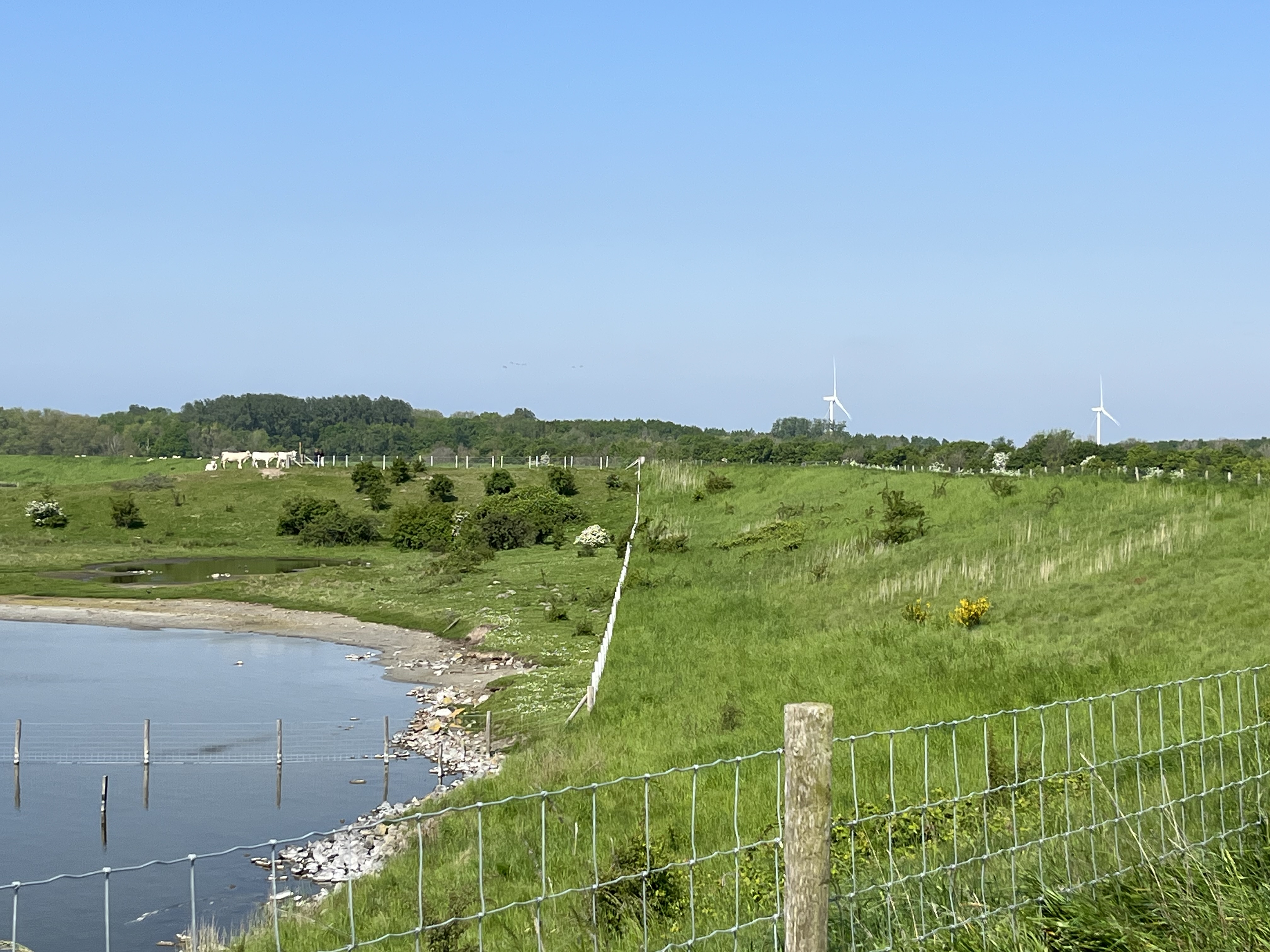


This morning we departed Rotterdam to head to Watersnoodmuseum in Ouwerkerk. As soon as I stepped off the bus, I was hit with the chill of the Pittsburgh type winds. It was a shame that I fell asleep on the bus ride to the museum because I heard the views were beautiful, but I didn’t miss them completely. The landscape was absolutely breathtaking. It was what I had pictured the Netherlands to look like, grassy vast fields with cows and sheep and windmills, of course.

Watersnood means “flood” in Dutch and the museum was actually dedicated to the North Sea Flood of 1953. Once we entered the museum, I immediately noticed a lot of common items on display, which I thought was an interesting change of pace from the typical museums I see in the US with extravagant displays and such. This was an approach that made the aftermath of the flood resonate more with me as someone who came in being completely unaware of the event’s existence in the first place. These items that seemed common to me had incredible meaning as they were to the survivors of the flood, the only things they had left in their possession at the end of the disaster. This made me realize that perspective is extremely important and I was able to check my privilege once again. Another interesting thing about the museum was the fact that it was the dike itself.


Next, we took the bus to a company called Deltaworks, which is in charge of keeping the land protected from floods like the detrimental one in 1953 with the ports and dams they built. Though I didn’t fully take in all of the details on the mechanisms of the gates to these ports, it was interesting to see the company’s facility be a sort of tourist attraction featuring a waterpark and museum. From a business standpoint, this seems like a smart differentiating marketing point that not only brings them revenue but also raises awareness of the event that is so underrecognized. It helps share a major cultural and historical aspect of the country.
