




Dr. Trihina’s lecture on data science was very insightful. He narrowed down the topics so we could better understand them. He started off by saying the world is a data source. We are the data generators. I felt like this was a perfect way to kick off the discussion into the world of data science. An interesting statistic he showed us is that Netflix streams 77,160 hours of shows and movies in just a minute. This was almost incomprehensible! After the introduction, he went to talk about what exactly it means to be a data scientist. Data scientists have to have programming skills, math and statistics skills, and substantive expertise. Once again, I enjoyed how he simplified the first mention of the topics, but then later went into greater detail. To analyze data, you start from the data to gather insight. For example, finding trends or patterns. That insight is then used to gain knowledge and have an understanding, so you can make a prediction or take action. There are 4 types of supply chain analytics. The first is descriptive which explains what happens in the past. Then diagnostic tells us why something happened. Predictive analytics forecasts what might happen. Finally, prescriptive recommends an action based on a forecast. This is the money maker, but also the most difficult type. Overall, I thought Dr. Trihana’s lecture was a basic understanding of data science and easy to comprehend. For machine learning I thought the training phase was interesting, especially since only 80% of the data went into the program. The use of machines and AI is being implicated so quickly into our generation, so it is important that computers are given the ability to learn. AI looks at patterns and trends to learn behaviors and provide services like analyzing data.
The CEO of UNIC talked to us about databases and blockchain. I found their crypto program to be a very interesting and unique thing about UNIC. It was so impressive that they are at the same level of knowledge, in crypto, as MIT and Stanford. To start, society is full of databases, but recently databases have become more centralized. This means one person operates or owns a big database. For example, Facebook and Google are centralized data bases. Over time there has become fewer companies and more big businesses because of this change. Blockchains are databases without an administrated. For these databases to change the owners, which is everyone, needs a huge consensus. This almost never happens. The best crypto example he provided is that is also a blockchain is digital cash and digital art. Bitcoin is also a blockchain. Something I didn’t know until today was a hot wallet. A hot wallet is an account that you keep minimal money in case it gets stolen. He compared this to storing a comfortable amount of money in his regular wallet. Overall, he had a lot of wisdom and useful advice for databases and blockchain.
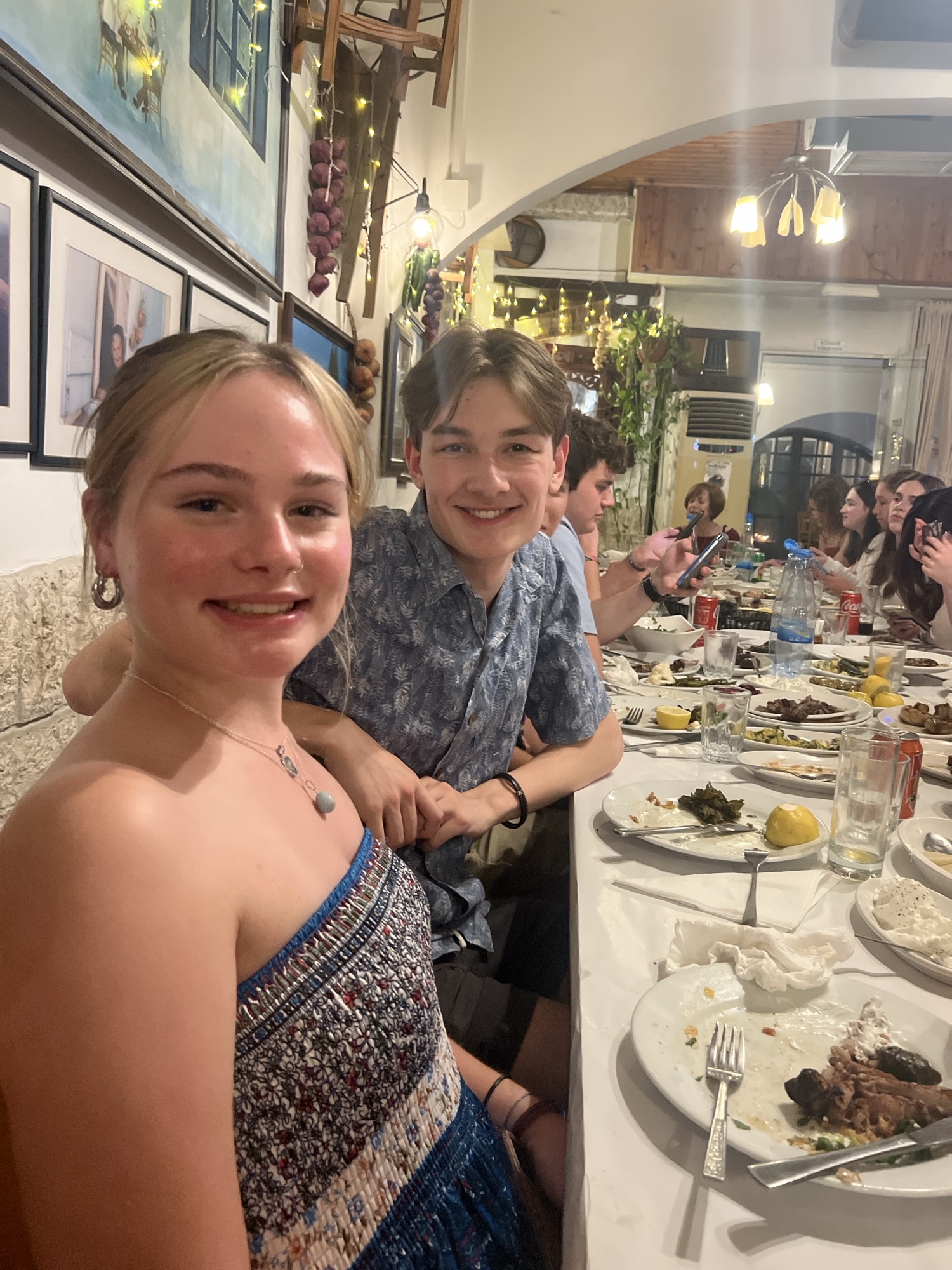
Today for free time, a couple of us enjoyed our last lunch at a pasta joint in old town. I had a delicious olive oil pasta with basil and garlic. I got this the other day and it was so good I had to go back. After lunch, we did some last minute souvenir shopping for our friends back home. I can’t express enough how much I am going to miss this place and the people I met in this short two weeks. We are planning a meze for when we get back at Pitt! We returned to the hotel because Ellie and I scheduled a massage. It was a must with these long flights ahead of us. I am feeling relaxed and ready to take on a day of traveling. I had a relaxing time getting ready for the farewell dinner! I cannot believe we are leaving already.