


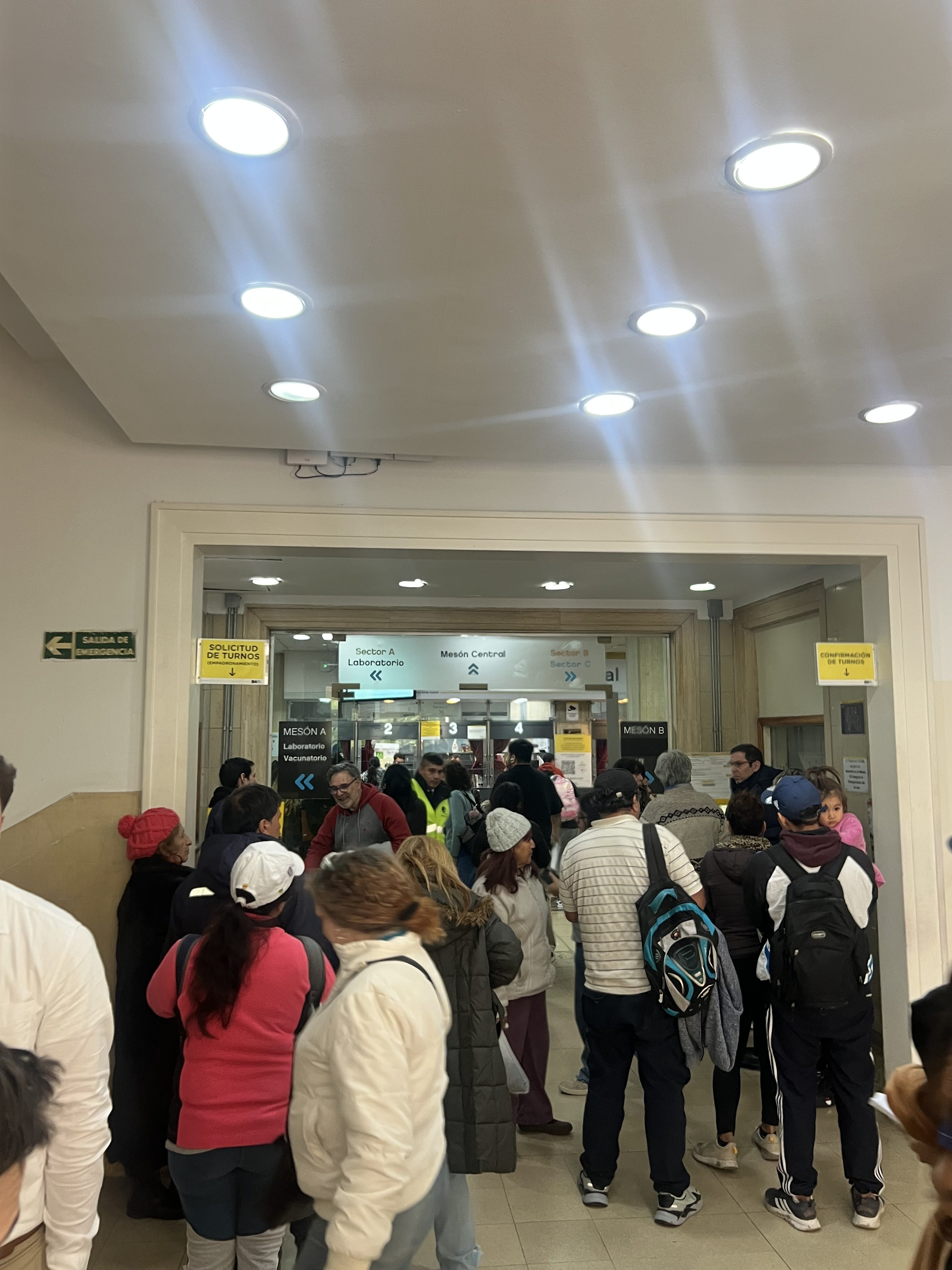
After 7 hospital visits and more than 7 lectures from highly distinguished members of the Argentinian healthcare industry we have officially finished our last site visit with a tour of private hospital Swiss Medical. We started our morning with a lecture from the former minister of health of the providence of Salta. After our lecture we toured hospital Fernadez in the public sector and learned about the hospitals covid 19 responses. After a brief lunch we toured Swiss Medical and learned about the private healthcare sector.
Today reveled several truths about the Argentinian healthcare sector. Swiss Medicals facility was truthfully the nicest medical facility I’ve ever been in. The rooms represented hotels and the facility was spotless. The hospital had a wide range of capabilities including one of the only helicopter pads in the city. The facility was at the forefront of healthcare in Latin America. Unfortunately, this level of healthcare is not accessible for everyone. The country has the capability to provide top level healthcare, yet the country has several key issues when it comes to distributing healthcare to all. There is a very high level of healthcare equality across the country, and everyone has the same ability to access healthcare. Where the country struggles is healthcare equity because while healthcare is free to access, quality of care varies and not every player in the system has the same advantages.
The public system in Argentina has incredible doctors, incredible nurses, and incredible administrators who want to provide the best possible care to all their patients. They are dedicated and motivated individuals who are probably some of the best trained and prepared medical professionals you will meet. They are operating in a system where they are constantly being asked to do more with less and less and they continue to succeed. For example, Hospital Fernadez in Buenos Aires had one of the best covid responses across Latin America and did it at one third of the cost with only a four percent mortality rate while operating in the public healthcare sector and struggling from constant funding issues. Public health in Argentina is innovative and resilient and with the right resources the public system in Argentina would not struggle to compete with any other healthcare system in the world. The issues arise when you look at the numbers of people and the types of diseases that the public sector is now being asked to provide service for. When you combine an increase in chronic illness, a decrease in taxable income because of the increasing number of retirements, and a perpetual increase in types of services that hospitals must provide, you create a system that is doomed to struggle. The social gradient of healthcare in Argentina is not based around quality of doctors or quality of healthcare provided, it is based around the accessibility to this quality of healthcare. Both the private and public system have fantastic doctors, the only difference is that the public sector is being asked to provide healthcare to 44 million Argentinians with no ability to chare and limited ability to recover from those with insurance. Access to healthcare is what differentiates between hose with means and those without.

